- |<
- <
- 1
- >
- >|
-
大塚 恵子2018 年 54 巻 8 号 p. 310-316
発行日: 2018/08/01
公開日: 2018/11/20
ジャーナル フリー4,4’-Diphenylmethane bismaleimide(BMI) resin possesses high heat resistance, favorable mechanicaland dielectric properties, and excellent chemical resistance. High heat resistance is due to its aromaticheterocyclicstructure and the high cross-link density of cured resin. Therefore, these polymers havebeen widely used as a matrix for advanced composites in aerospace, electronics, and other related hightechindustries. While the excellent properties of these materials are favorable for real-world applications,the cured resin is brittle due to the high cross-link density of cured network. This drawback has becomemore crucial due to the recent requirements for the improvement in the toughness of BMI resin used inindustries such as aerospace and electronics. In this paper, the material design for improving the toughness ofbismaleimide resin was summarized.
抄録全体を表示PDF形式でダウンロード (4605K)
-
古谷 昌大, 有光 晃二2018 年 54 巻 8 号 p. 302-309
発行日: 2018/08/01
公開日: 2018/11/20
ジャーナル フリー近年需要が高まる解体性接着剤のうち,化学結合の開裂を利用して解体する接着剤について概説する。化学結合の開裂は非可逆的なものと可逆的なものに分類した。その中でもジスルフィド結合に着目し,その反応形態( 酸化還元反応,チオール-ジスルフィド交換反応,ジスルフィド-ジスルフィド交換反応の3反応)および高分子材料への応用について述べる。最後に,最近筆者らが開発した含ジスルフィド熱解体性光接着剤について,実験結果および考察を交えて紹介する。
抄録全体を表示PDF形式でダウンロード (6476K)
-
沖野 英二郎, 坂口 聡, 小川 俊夫, 大藪 又茂2018 年 54 巻 8 号 p. 294-301
発行日: 2018/08/01
公開日: 2018/11/20
ジャーナル フリー漆器製造において顔料入り漆が必ずしも顔料の色彩を示さないことが問題となっている。これは漆液がかなり濃い褐色をしているためである。ここでは顔料入り漆膜の硬化条件がその色彩にどのような影響を及ぼすか検討した。漆の硬化には紫外線照射による方法と通常の酵素ラッカーゼによる室温で高湿度下による方法の二つの硬化法について検討した。その結果紫外線( UV) 照射法では後者の方法よりも漆膜が鮮やかな色彩になった。さらに,通常のラッカーゼによる硬化では酸性物質を添加すると鮮やかな色彩になった。一方,塩基性物質を添加すると暗い色彩となった。このことから,通常の漆器製造においては,酸性物質を色漆に添加することが好ましいと結論した。さらに,漆成分の基本構造であるカテコールを高温下で酸化させることによって色彩変化を起こす成分の推定を行った。そして,ガスクロマトグラフィー/ 質量分析法による分析結果はその成分がカテコールの縮合物類であることを示した。
抄録全体を表示PDF形式でダウンロード (2515K)
-
岡田 駿, 堤 亮太, 前田 稔充, 藤井 秀司, 中村 吉伸, 原田 義之, 浦濱 圭彬2018 年 54 巻 8 号 p. 287-293
発行日: 2018/08/01
公開日: 2018/12/07
ジャーナル フリー架橋剤濃度を変化させたアクリル酸n-ブチル- アクリル酸ランダム共重合体( アクリル酸含有量:5wt%) のJIS Z 0237 に基づく傾斜式ボールタック試験( J. Dow 法) を行った。斜面上を転がるボールの運動方程式から,以下の摩擦係数μ ׳を導いた。
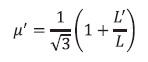
L' は助走区間の距離,L は粘着剤面との接触から停止までの距離である。μ ׳ は粘着剤面との接触開始点でボールが持っていた運動エネルギーと位置エネルギーを,停止までに粘着剤が摩擦で吸収するエネルギーの大きさの目安である。μ ׳ は特定の架橋剤濃度で大きかった。プローブタック試験では,架橋剤濃度の増加とともにタックは低下し,両試験で傾向が異なった。粘着強さは,被着体への濡れ性と粘着剤自身の凝集力に支配されるが,プローブタックは主に濡れ性を評価し,ボールタックは濡れ性に加えてボールを止めるときに凝集力も影響するためであると考えられる。
抄録全体を表示PDF形式でダウンロード (2832K)
- |<
- <
- 1
- >
- >|