2019 Volume 52 Issue 10 Pages 599-604
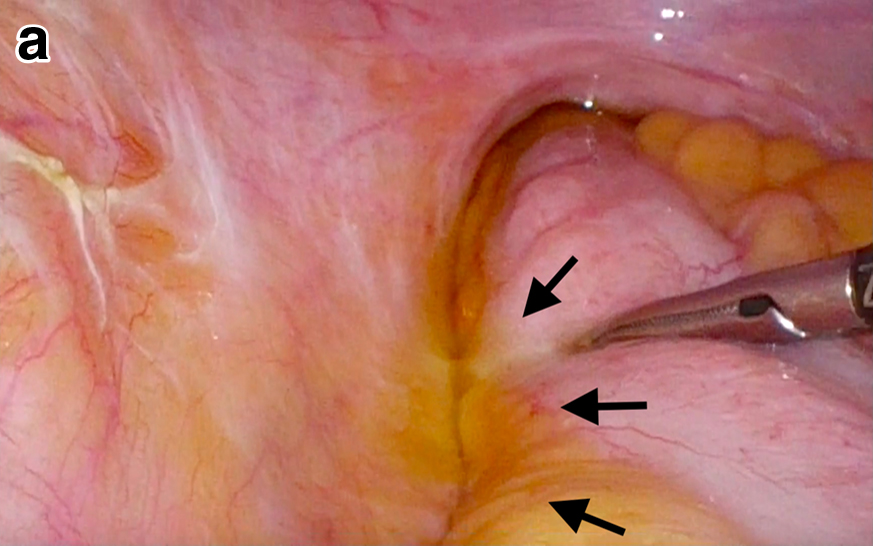
A 63-year-old man with rectal cancer underwent laparoscopic anterior resection with D3 lymph node dissection in November 2015. Postoperative irradiation (50 Gy) combined with capecitabine and 2 courses of adjuvant chemotherapy with capecitabine plus oxaliplatin was added. One year and 9 months after surgery, a local recurrence of 2 cm was observed on the left front side of the sacrum. For radical cure, it was considered that low anterior resection with concomitant sacral resection was necessary, but as a result of informed consent, carbon ion radiotherapy was selected at the request of the patient. The tumor was in close proximity to the colon, and laparoscopic anterior resection was performed after one month of carbon ion radiotherapy (73.6 Gy). Spacer insertion surgery has been reported as a method to secure the safety margin of tumors and high radiation sensitive organs to reduce the exposure during carbon ion radiotherapy. The radiation exposed colon resection has three advantages: (1) the carbon ion radiotherapy can be started promptly because the operation is performed after irradiation; (2) it is considered that complications such as infection and allergies are less likely to occur compared with spacer insertion surgery using artificial objects; (3) the radiation exposed colon resection may be able to remove secondary lymph node metastasis from recurrent tumors. The radiation exposed bowel resection was considered to be useful for expanding the indication of carbon ion radiotherapy.