We report here a synthesis of gem-difluorocyclopropanes via a copper-catalyzed C(sp3)–H addition of dioxolane to difluorocyclopropenes. The combinational use of silane and dibenzoyl peroxide was crucial for promoting the reaction, enabling access to gem-difluorocyclopropanes with an acetal moiety in a cis configuration.
The authors report the synthesis of difluorocyclopropanes via a copper-catalyzed C–H addition of dioxolanes to difluorocyclopropenes. The combined use of a silane and dibenzoyl peroxide was crucial for promoting the reaction, enabling access to difluorocyclopropanes bearing an acetal moiety.
We designed and synthesized an oligonucleotide acetylating reagent (Ac-probe) that selectively acetylates the 2′-OH groups of RNA upon forming a duplex with the target RNA. The Ac-probe can be readily prepared via a post-synthetic modification method using an oligodeoxynucleotide probe containing 4-thio-dT. During the acetylation reaction, 4-thio-dT is regenerated as the reaction proceeds. Notably, an efficient modification was observed when the complementary base of RNA to 4-thio-dT was cytosine or uracil, indicating the selectivity for the pyrimidine base.
The authors report a method for site-specific acetylation of the 2’-OH of RNA strand by exploiting sequence recognition via a complementary oligonucleotide reagent. This oligonucleotide reagent can be designed to hybridize to the target RNA and carries a reactive thioester moiety that enables localized chemical modification. Upon duplex formation, the proximity of the thioester to the target site facilitates efficient and selective acetyl transfer at a predetermined site of RNA. This approach allows precise chemical modification of RNA without the use of enzymes, providing a powerful tool for studying RNA structures, functions, and interactions, as well as for the development of functionalized RNA molecules.
Site-selective conjugation on aryl azides is hampered by a fundamental trade-off: electron-withdrawing groups that promote the reaction often preclude further functionalization, while versatile electron-donating groups suppress reactivity. We report a strategy that resolves this by using an ortho-amido group to activate an electron-rich aryl azide via an intramolecular hydrogen bond. This non-covalent interaction renders the ortho-amidoaryl azide significantly more reactive than its para-isomer and even activated alkyl azides, although competition experiments revealed that steric hindrance presents a counteracting effect. The principle was successfully applied to achieve excellent site-selectivity in a diazide molecule, favoring reaction at the aryl position. Its utility was further demonstrated in a highly selective classical Staudinger–Bertozzi ligation. This work establishes the ortho-amido group as a powerful controlling element, offering a new click conjugation platform that enables ready functionalization.
The authors report a site-selective Staudinger reaction for click conjugation driven by non-covalent interactions. Traditionally, aryl azide reactivity has required electron-withdrawing groups, necessitating a trade-off between reactivity and versatility. By incorporating an ortho-amido group, the authors leverage intramolecular hydrogen bonding to activate even electron-rich aromatic azides. This non-covalent strategy achieves superior site-selectivity over alkyl azides and enables efficient functionalization of the aromatic core. This study establishes a robust platform for the programmed assembly of complex multifunctional materials, effectively balancing electronic activation with structural control.
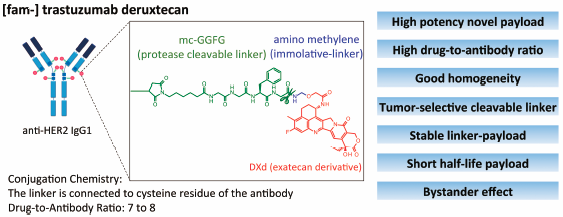
Immunoglobulin G (IgG)-binding peptides have been widely used in medicinal chemistry, particularly in the preparation of homogeneous antibody–drug conjugates (ADCs). The dissociation constant (Kd) and kinetic parameters (kon and koff) are critical determinants of peptide performance in such applications. In this study, we conducted a structure–activity relationship (SAR) analysis of the IgG-binding peptide 15-IgBP, focusing on Asp3, Tyr6, and Thr15, to identify more potent derivatives with favorable binding affinities and kinetic profiles. Peptides with appropriately tuned ionic structures exhibited rapid binding and release properties, whereas hydrophobic substitutions in solvent-exposed regions led to slower dissociation. By integrating these SAR findings, we identified the optimized affinity peptides, IAPG-2 and IAPG-3, with sub-nanomolar binding affinities (Kd = 0.753 and 0.705 nM, respectively).
[Highlighted Paper selected by Editor-in-Chief]
The authors performed structural derivatization of a cyclic peptide binding to the Fc region of IgG to discover potent derivatives with improved binding affinity (Kd) and kinetic behavior (kon and koff). Appropriately tuned ionic substitutions enabled rapid dissociation and association, whereas hydrophobic substitutions in solvent-exposed regions resulted in slower dissociation. By combining the present findings with previous results, peptides exhibiting sub-nanomolar affinity were identified. These results highlight the critical interplay between kon, koff, and local structural environments in governing peptide–protein interactions and provide useful design principles for the development of high-performance IgG-binding affinity peptides.
Ultra performance liquid chromatography (UPLC)-high resolution (HR)MS/MS and feature-based molecular networking analysis were performed for the extract of a fungus, Arachnomyces bostrychodes, obtained from a cold seep chemosynthetic ecosystem, revealing the presence of new peptides. LC-MS-guided purification afforded three new cyclic tetrapeptides (3–5) containing two N-methyl-l-leucine residues. During the isolation procedure, a new benzophenone (1) and MDN-0093 (2) were isolated. Compounds 4 and 5 exhibited cytotoxicity against HeLa cells with IC50 values of 3.1 and 5.8 μM, respectively.
The discovery of novel natural products is essential for expanding the chemical space that can lead to new drug development. To discover new natural products, the authors focused on fungi that inhabit the unique marine environment of the deep sea. UPLC-HRMS/MS and feature-based molecular networking analysis were performed for the extract of a fungus, Arachnomyces bostrychodes, obtained from a cold seep chemosynthetic ecosystem, revealing the presence of new peptides, and four new secondary metabolites were isolated. This study suggests that fungi from cold seep chemosynthetic ecosystems are a promising source for the discovery of drug candidate compounds.
Formulation, Characterization and Hypersensitivity Evaluation of an Intravenous Emulsion Loaded with a Paclitaxel–Cholesterol Complex
公開日: 2011/03/01 | 59 巻 3 号 p. 321-326
Xue-Jun Xia, Rui-Fang Guo, Yu-Ling Liu, Peng-Xiao Zhang, Cui-Ping Zhou, Du-Jia Jin, Ren-Yun Wang
Views: 804